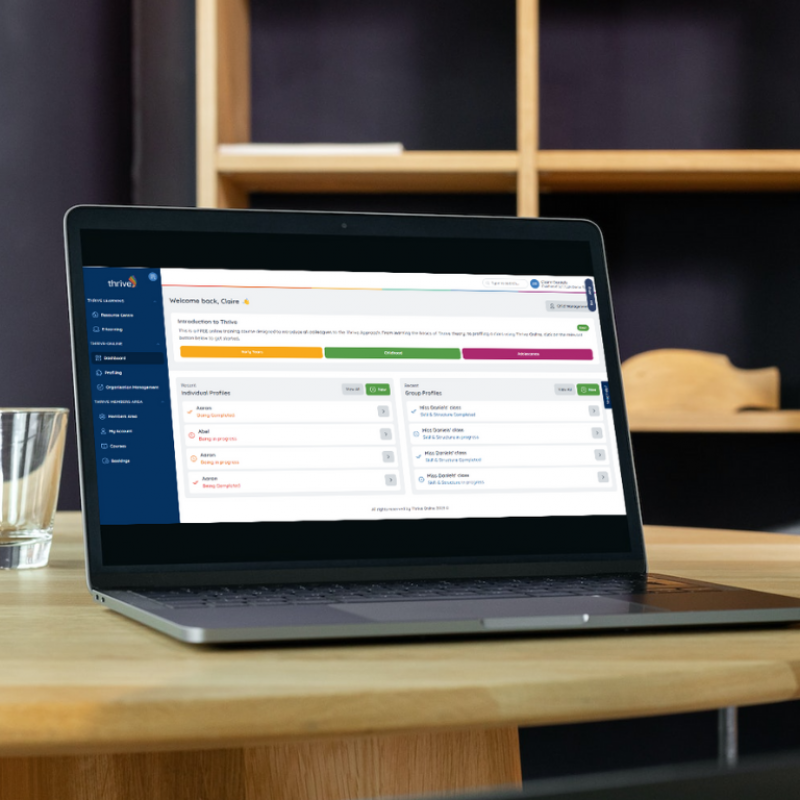
Established in September 2018 and managed by Enhanced Learning Services, Greater Horseshoe Special School serves 21 pupils aged 8 to 19, many with Education Health Care Plans addressing learning difficulties, autism, and ADHD. Teacher and Licensed Practitioner Laura Griffin, having previously used Thrive, recognised the value it could have at Greater Horseshoe for assessing progress and creating tailored action plans through Thrive-Online. This blog explores how the school integrates Thrive seamlessly into all aspects of lessons, utilising Thrive-Online as a key pupil action planning and monitoring tool.
"Thrive is key to the life of the school. It underpins all lessons and strategies and helps us to understand the needs of the children. It's also a good way of communicating with parents and with the students themselves. It's exciting for an eight-year-old to understand their brain and what's going on for them emotionally. It gives them confidence, encouragement and the ability to make a difference for themselves."
Morning briefings and lesson planning
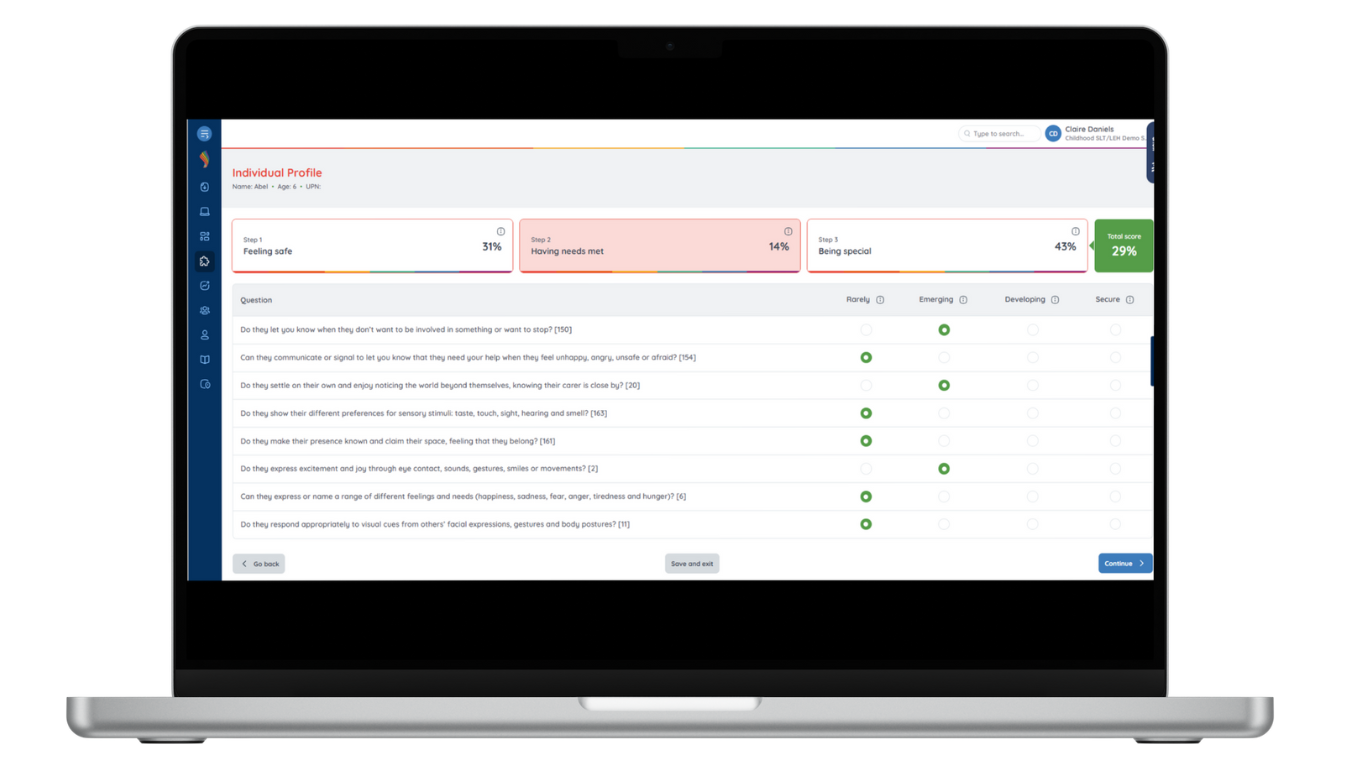
The school's commitment to Thrive is evident from the start of each day, as staff engage in a morning briefing to reflect on past experiences and anticipate the day ahead. They integrate Thrive strategies into every lesson, using a 'chunking sheet' that visually breaks down lesson plans. These sheets incorporate insights from pupils' Thrive action plans, providing teachers with valuable information on how to navigate their lessons and interact with pupils in a manner that best supports their needs.
Ofsted recognition
During their last Ofsted inspection, Greater Horseshoe earned a commendable "Outstanding" rating. Inspectors praised the strong staff-pupil relationships, notable progress in behaviour among pupils, and the "exceptionally designed" personal, social and health education curriculum. Director of Enhanced Learning Services (ELS), Jason Goddard, attested that the Thrive Approach played a pivotal role in showcasing the school's progress to Ofsted, using Thrive graphs to provide clear and comprehensible evidence.
"The Thrive graphs helped us to evidence things to Ofsted in a way that's easy for them to see and understand."
Case studies and progress measurement
The school utilises Thrive's graphs and data to construct case studies, showcasing not only overall progress but also the nuanced development of individual needs. This approach enables educators to tailor their strategies to address specific requirements, ultimately fostering a more supportive learning environment.
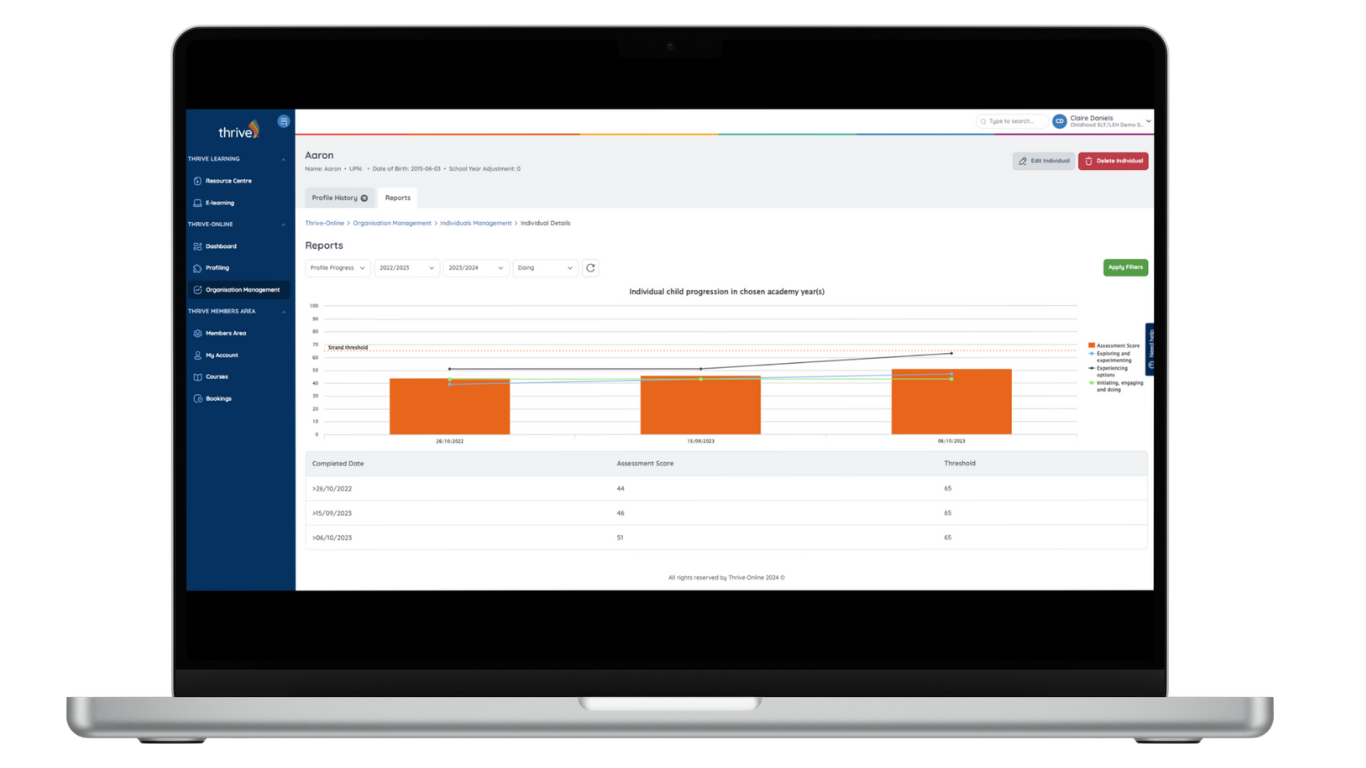
“Thrive is really user-friendly and easy to interact with. I love the graphs that it generates, I think that it’s a really quick way to share with colleagues what is going on with a child and how they have made good progress with their needs."
Integration with EHCP targets
Greater Horseshoe seamlessly aligns Thrive-Online's action plan targets with individual Education Health Care Plan (EHCP) goals. By tying in EHCP specifications, such as communication with peers or reading engagement, the school enhances communication with Ofsted, effectively demonstrating how Thrive’s action plans support EHCP targets.
Greater Horseshoe Special School has wholeheartedly embraced the transformative power of the Thrive Approach, notably leveraging Thrive-Online for comprehensive pupil support. With a waiting list underscoring its popularity, the school plans sustainable growth, positioning the Thrive Approach at the core of its future development. Director Jason Goddard underscores the indispensable contribution of Thrive, emphasising its role in fostering more than just academic advancement. He said "Thrive has been invaluable in terms of what we're trying to do here. We know that our young people are moving forward but the most important thing is that all of them feel safe here and able to engage with their education."
Over to you
Click here to schedule a Thrive-Online Demo with your regional expert to find out how Thrive-Online could help your setting manage behaviour and support staff. Designed to fit in around your schedule, these free 30-minute conversations via Teams give you a chance to have your questions answered and decide if our service is a fit for your needs.
Pass it on
Small actions can lead to a big ripple effect. If you enjoyed this post or found it helpful, please consider supporting us in our mission to help every child and young person feel safe, supported and ready to learn by sharing it using the social media buttons below.
Want to join a like-minded community of senior leaders and classroom staff benefitting from insights and strategies to improve attendance, behaviour and attainment? Add your email address below. (It’s easy to unsubscribe).
(1)_680.png)