Mental Health Awareness Week 2024 is here, and this year's theme couldn't be more relevant: 'Movement: Moving more for our mental health.' As we delve into the importance of physical activity in nurturing our mental wellbeing, it's crucial to also highlight another essential element: the power of nature.
Thrive's Head of Product and Innovation, Viv Trask-Hall, underscores this intersection between movement and nature in education, emphasising their pivotal roles in fostering emotional resilience among children. Let's delve into the profound impact of movement and nature on mental health as we celebrate Mental Health Awareness Week together.
At school, the wellbeing of educators and pupils alike is paramount. A growing body of research underscores the undeniable benefits of spending time outdoors for mental health. From GPs prescribing outdoor activities like walking, birdwatching, and gardening to treat conditions like anxiety and depression, to the age-old wisdom that nature heals, the evidence is compelling.
The disconnect with nature
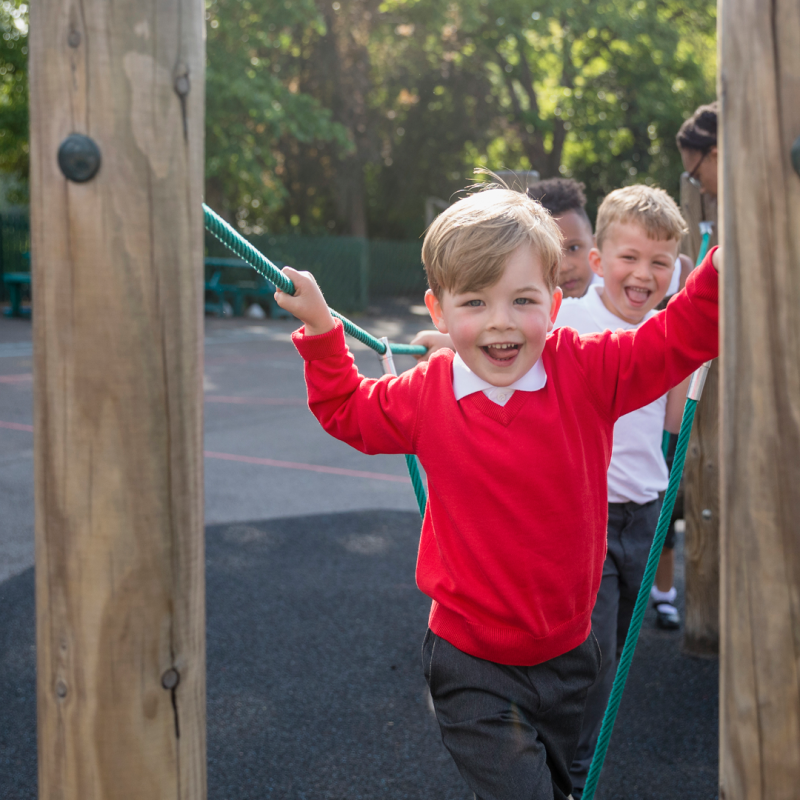
Despite this knowledge, modern lifestyles, particularly among children, are becoming increasingly screen-centric. A report by the National Trust revealed that children now spend an average of just over four hours a week playing outside, significantly less than the 8.2 hours their parents spent outdoors during their childhood.
Nature as a tool for emotional resilience
In my role as Head of Product and Innovation at Thrive, I emphasise the significance of nature in fostering emotional resilience among children.
Encouraging children to develop a connection with nature can help them manage stress and process difficult emotions. Being exposed to nature helps children and young people to relax, have fun and develop a healthy sense of self.
"Put down those electronic devices and get outdoors into nature, " urges Viv Trask-Hall
The science behind nature's calm
The difference between screen time and nature lies in their impact on the brain. The Attention Restoration Theory by psychology professors Rachel and Stephen Kaplan suggests that nature not only refreshes us but also enhances our focus and concentration.
While screen-based activities offer hard fascination, stimulating yet potentially addictive due to the release of dopamine and cortisol, nature provides soft fascination. This gentle stimulation, such as the sound of rustling leaves or flowing water, promotes reflection, rejuvenation, and genuine relaxation.
Bridging the gap: Encouraging nature play
Although activities like beach walks, cloud watching, and gardening offer therapeutic benefits, they might not always be the immediate choice, especially when stress mounts. This is particularly evident among children, who may find the instant gratification of screen time more appealing.
So, how do we shift this dynamic and guide children towards activities that truly benefit their wellbeing?
Fostering nature engagement in education
- Embrace messy play:
Encourage children to embrace the outdoors, get wet, and muddy without fear of reprimand. Natural resources like tree stumps, boulders, logs, and plants can be integrated into play, fostering creativity and physical exploration. - Understanding and empathy:
Recognise the allure of screen time without judgement. Educators can highlight the joy, positivity, and relaxation that nature offers, motivating pupils to choose outdoor activities willingly. - Leading by example:
As adults, understanding the neuroscience behind the benefits of nature can guide our choices, setting a positive example for children to follow.
As educators, embracing movement and nature in education can pave the way for improved mental wellbeing for both students and staff. This Mental Health Awareness Week, let's prioritise movement, reconnect with nature, and create an environment that fosters resilience, creativity, and overall wellbeing.
Author bio
Viv began her Thrive journey as a Headteacher in Barnsley's primary schools, transitioning from a Licensed Practitioner to a Thrive Trainer. She witnessed the approach's positive impact on behaviour, attendance, and wellbeing, which ignited her passion. Now, Viv focuses on developing high-quality, evidence-based training for Thrive, with the goal of positively impacting as many children and young people as possible.

Ready to transform your approach to mental health and wellbeing?
Learn more about Thrive's whole school approach and take the first step towards creating a supportive and thriving educational environment. To explore whether Thrive may be a fit, and for advice on the best package for your setting, click below to schedule a zero-obligation call with a member of the team.
Pass it on
Small actions can lead to a big ripple effect. If you enjoyed this post or found it helpful, please consider supporting us in our mission to help every child and young person feel safe, supported and ready to learn by sharing it using the social media buttons below.
Want to join a like-minded community of senior leaders and classroom staff benefitting from insights and strategies to improve attendance, behaviour and attainment? Add your email address below. (It’s easy to unsubscribe).