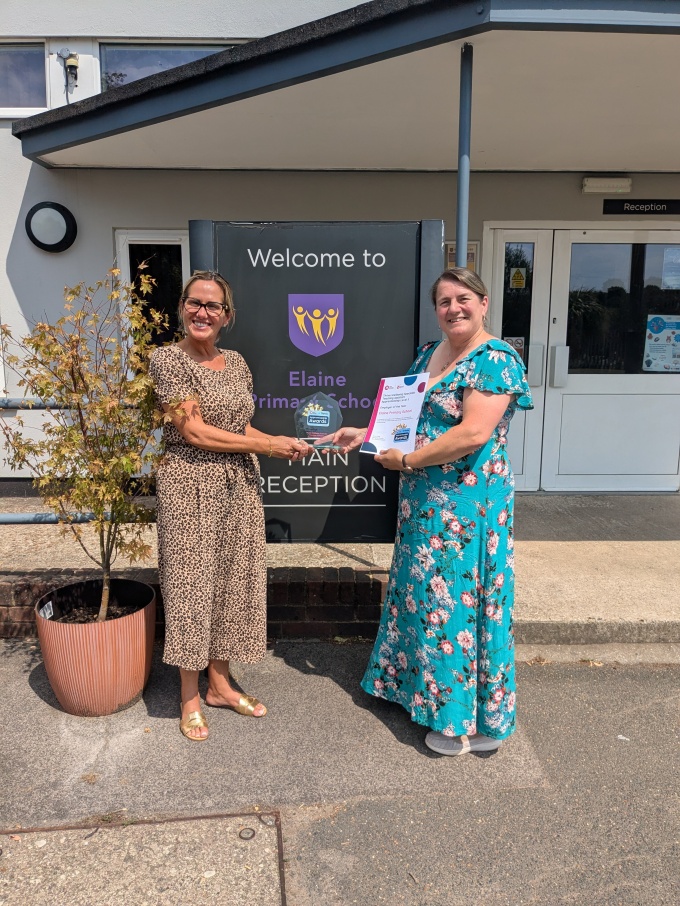
The continued effect of the pandemic on very young children is clear
Thrive Licensed Practitioner training
Thankfully for Amelia Joyner and Rebecca Openshaw, Leader of Cullompton Pre-School and Early Years Leader of St Mary's Academy Trust respectively, they caught on early to a secret formula: Thrive Licensed Practitioner training.
This revolutionary training equips you with the skills and knowledge needed to use Thrive as a whole-setting approach. It is designed to help you improve children's wellbeing and supports them to feel safe, secure and ready to learn. It’s why Thrive is the wellbeing provider of choice for over 75,000 senior leaders and classroom staff in the UK.
Now Amelia and Rebecca have:
- Insight into ‘what to do’ and ‘how to be’ with each child to help them reach their potential
- Age-appropriate action plans to prevent future interruptions or catch up on ‘not-yet-secure’ social and emotional development
- Strategies to reduce anxiety and boost resilience, trust and willingness to learn
- Detailed reports to evidence impact and track progression of groups or individuals
- Tools and strategies that help to boost job satisfaction and retention
Here's what they both said:
"Children come into our busy setting feeling overwhelmed. The Thrive Approach is the quickest way to help them move past that. We have a really broad range of children in the setting - children from really stable family backgrounds and children who are in child protection. I find that creating a really special relationship is key to everything. Once we’ve worked on that trust and being safe, that’s the beginning of it all. The children really move forward. The benefits of Thrive have been huge and everyone feels the value."
Amelia Jayner. Leader, Cullompton Pre-School
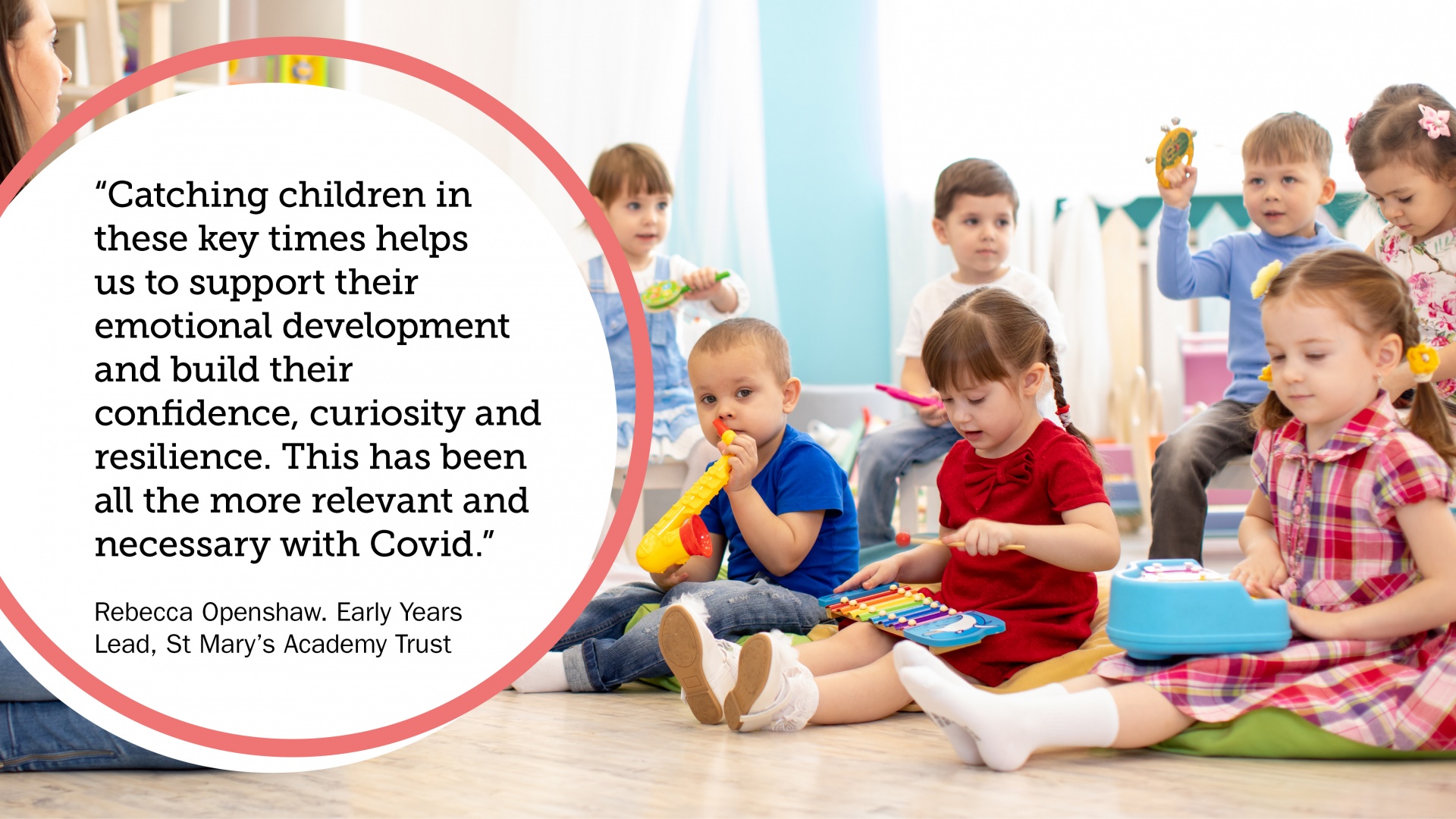
"I use Thrive as an essential part of day-to-day life. Catching children in these key times helps us to support their emotional development and build their confidence, curiosity and resilience. This has been all the more relevant and necessary with Covid.
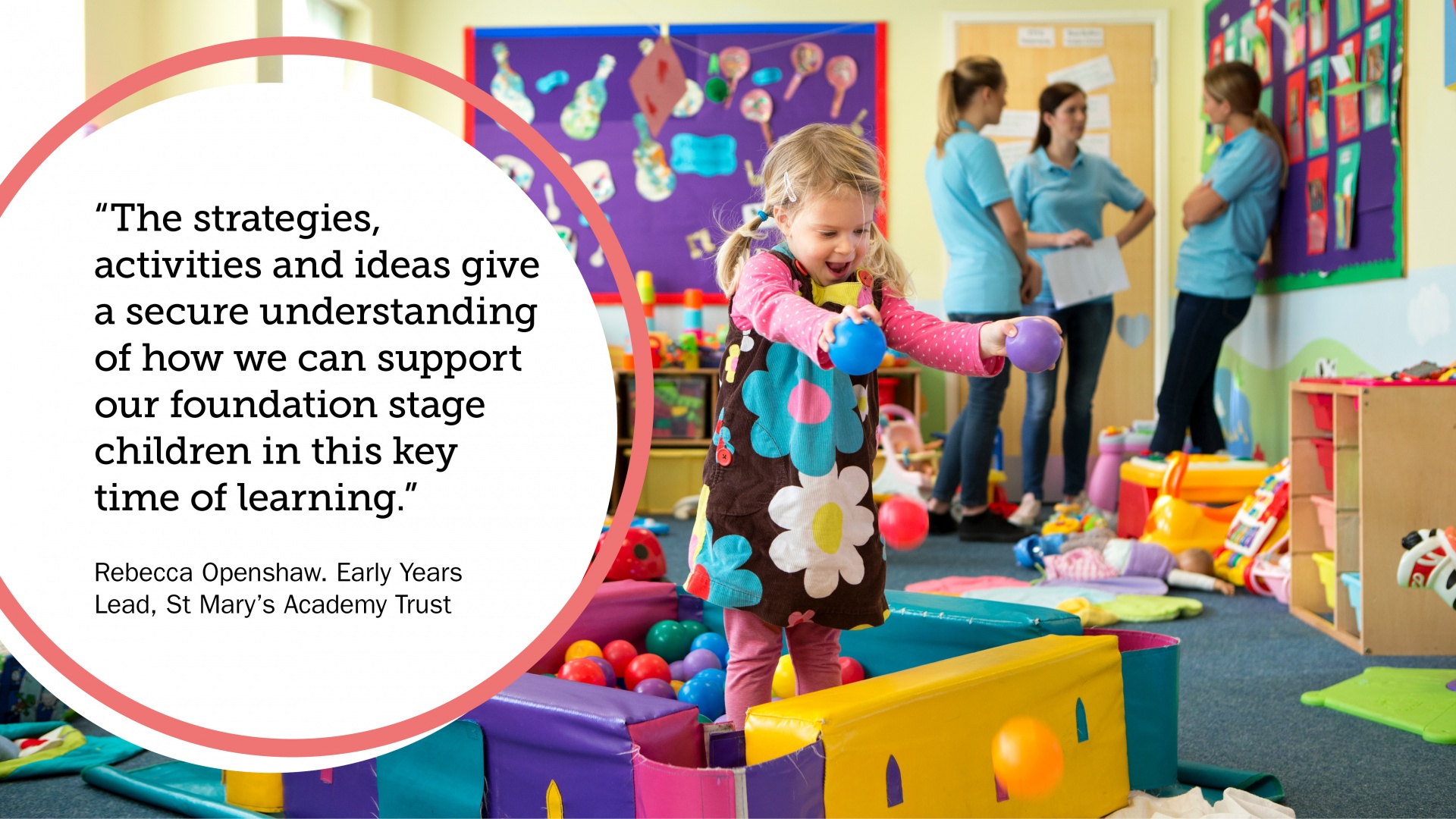
Having knowledge of Thrive and the neuroscience around brain development has allowed us to remain supportive of children’s needs. The strategies, activities and ideas give a secure understanding of how we can support our foundation stage children in this key time of learning. It’s fantastic to see the huge impact it’s had."
Rebecca Openshaw. Early Years Leader, St Mary's Academy Trust
Over to you
When you’re ready to join the 2,800+ other settings taking a proactive approach to social and emotional development, click here to schedule a 30-minute Discovery Call with your regional expert. We want you to ensure that you’re spending your time, energy and funding wisely. These calls allow you to have your questions answered and establish whether or not we’re a good fit. Our team won’t sell to you, but they will let you know if they think we can help.
Small actions can lead to a big ripple effect. If you enjoyed this post or found it helpful, please consider supporting us in our mission to help every child and young person feel safe, supported and ready to learn by sharing it using the social media buttons below. Want to join a like-minded community of senior leaders and classroom staff benefitting from insights and strategies to improve attendance, behaviour and attainment? Add your email address below. (It’s easy to unsubscribe).Pass it on