
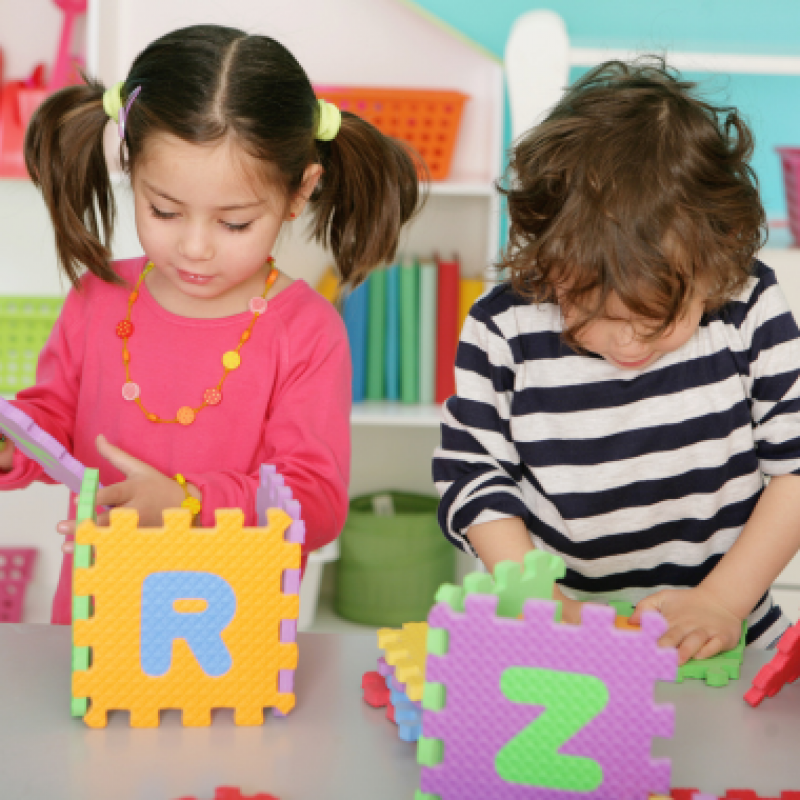
In the early years, emotional safety, belonging and mattering set the foundation for everything that follows. Before children can explore, play, or learn alongside others, they need to feel safe in their relationships, confident that adults will respond with care, and secure in the knowledge that this is a place where they belong. These early experiences shape how children see themselves, others and the world around them.
1. Begin with warm, attuned connection
Greeting children warmly and by name helps them feel recognised and welcomed from the moment they arrive. Getting down to children’s eye level, using calm, friendly voices, and offering predictable transitions all support a sense of safety. These moments of attuned connection help children settle, especially at the start of the day or during times of change.
2. Keep routines predictable and visible
Using visuals, repetition and clear sequences supports children to understand what is happening now, and what will happen next. When children know what to expect, their emotional energy can move away from worry and into play and exploration.
3. Use inclusive language that builds belonging
Language plays a powerful role in shaping children’s sense of belonging. Using inclusive language such as “we” and “our class” helps children feel part of a shared community. This reinforces connection and gently supports early social understanding.
4. Respond to big feelings with calm and care
Big feelings are a normal part of early development. Responding calmly to children’s emotions before addressing behaviour helps them feel understood and supported. Through consistent co-regulation, children gradually learn that feelings are manageable and that adults are there to help.
5. Teach feelings language through play and modelling
Children learn about emotions through experience. Using play, stories and everyday interactions to name feelings helps children build emotional literacy. Modelling how to talk about feelings gives children the language they need to express themselves safely.
6. Offer cosy spaces for calm and regulation
Young children benefit from having access to spaces where they can feel calm and contained.
Providing cosy, calming areas that children can choose to use supports self-soothing and regulation. These spaces communicate that needing comfort or quiet time is part of being human, not something to be corrected.
7. Reflect every child in the environment
The learning environment sends powerful messages. When resources, books and displays reflect different cultures, family structures and abilities, children are more likely to feel seen and valued. This supports a strong sense of mattering from the earliest years.
8. Support cooperative play and peer connections
Belonging grows through shared experiences. Supporting cooperative play and positive peer interactions helps children practise turn-taking, empathy and problem-solving. Adult guidance during play can gently support inclusion and reduce conflict.
9. Notice effort, kindness and persistence
What we notice shapes what children value. Celebrating effort, kindness and persistence, rather than outcomes alone, supports confidence and resilience. It helps children feel valued for who they are, not just what they can do.
10. Offer simple choices to build agency
Having a sense of control supports emotional safety. Offering simple, developmentally appropriate choices helps children build confidence and autonomy. This supports engagement and reduces frustration.
11. Focus on repair and reconnection
Relationships matter more than rules. When difficulties arise, focusing on repair and reconnection helps children learn that relationships can be restored. This strengthens trust and supports long-term emotional wellbeing.
Fostering emotional safety, belonging and mattering in early years settings is about how adults think, respond and relate, moment by moment. These principles sit at the heart of effective early years practice and support children to feel secure, confident and ready to learn. Moments such as Children’s Mental Health Week can prompt reflection, but it is the everyday practice that follows, across the whole year, that makes the lasting difference.


(1)_680.png)