Andover school wins award for focus on mental wellbeing
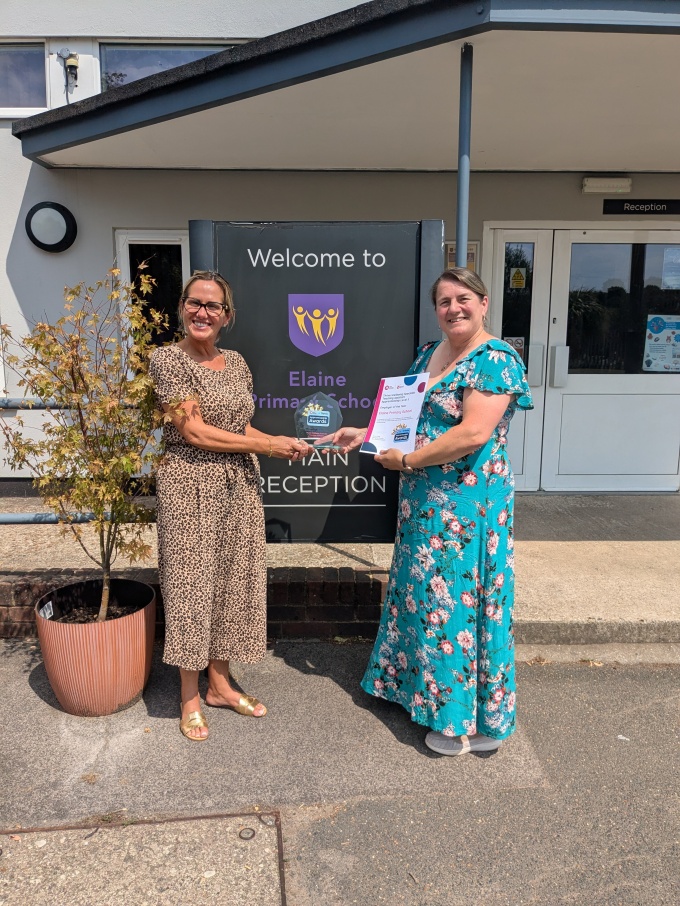
An ANDOVER school has been named as a Thrive Ambassador School for a second time for its efforts in supporting the wellbeing of its pupils.
Endeavour Primary School, which is based across two campuses in Andover, has been recognised for its role in preventing mental health issues among children.
The school, which has 740 pupils, has a strong focus on supporting pupils' mental wellbeing with activities including forest school and nurture PE sessions with an emphasis on collaboration and communication.
It also has two school dogs, a chocolate Labrador called Murray and a Cockapoo called Toffee.
The setting has been named as an Ambassador School with Excellence in Reparative after going through a rigorous assessment process by Thrive, which trains teachers and other education professionals to support the emotional and social development of all children.
The school has previously been recognised as an Ambassador School with Excellence in the Environment.
Gemma Hill, head of Kirk Campus,said:"We are striving to be a Thrive School of Excellence as well as a school of choice for families in the local community.
"We are so proud to have achieved the award of Excellence in Reparative for our pupils. The families of Endeavour have been really supportive of the school and the continuing journey we are on."
The Reparative award recognises schools that have excelled in helping children who have gaps in their social and emotional development and have successfully met their needs.
The Environment award recognises extraordinary settings which are making a positive impact on their pupils and on the wider community by having a focus on emotional wellbeing and creating an environment in which children's wellbeing thrives.
The school is set to expand the support it offers pupils with a new facility called The Cabin, which will be opening in the next few weeks.
This is expected to provide short-term, focused interventions for children with particular social, emotional and behavioural difficulties that are creating a barrier to learning within a mainstream class.
Over to you
Reduced anxiety and behavioural incidents. Calmer classrooms filled with engaged leaners. Improved relationships with parents and carers. These are just some of the outcomes reported by settings embedding Thrive’s whole-school approach to mental health and wellbeing. Are you ready to join them? Click here to get started.
Pass it on
Small actions can lead to a big ripple effect. If you enjoyed this post or found it helpful, please consider supporting us in our mission to help every child and young person feel safe, supported and ready to learn by sharing it using the social media buttons below.
Want to join a like-minded community of senior leaders and classroom staff benefitting from insights and strategies to improve attendance, behaviour and attainment? Add your email address below. (It’s easy to unsubscribe).