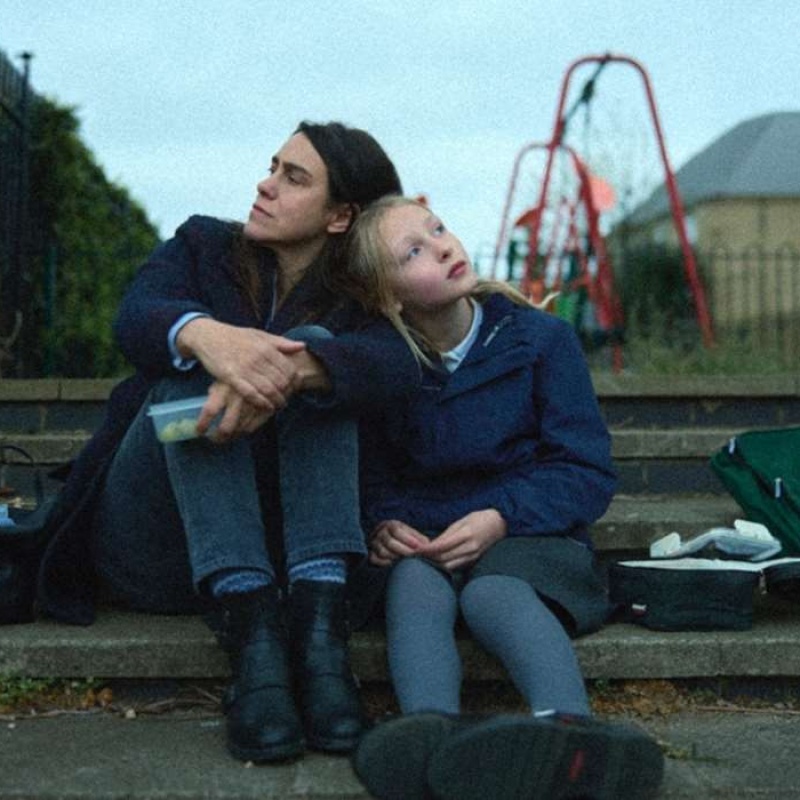
Unauthorised Absence has stayed with me.
The film follows Anna, a single mum, and her nine-year-old daughter, Thea. Thea is autistic, waiting for an assessment and struggling to attend school. Anna asks for help. What she gets is parenting courses, fines and the phone ringing again. To the system, her daughter becomes a code in a register.
I watched it as a former headteacher, a foster carer and a parent. I found it difficult from every perspective.
The headteacher in me knows the pressure. I’ve stood in front of governors with attendance data. Attendance matters. Children who aren’t in school can miss learning, friendships and sometimes the one safe adult who notices something isn’t right. With my safeguarding responsibilities, I don’t take any absence lightly.
The foster carer in me knows what it means to support vulnerable children, including those who’ve experienced trauma. Helping a child feel safe can take a long time. Their fear doesn’t disappear because there’s a fine attached. Their nervous system hasn’t read the attendance policy.
And the parent in me recognises Anna. Maybe not her exact story, but that feeling of standing between your child and a system. Trying to explain what’s happening while feeling tired, judged and unheard.
When parents aren’t believed
What upset me was how hard Anna had to work to convince people her daughter was struggling.
Thea appears quiet and compliant at school. At home, her mother sees the distress involved in getting her there. Those experiences can both be true.
“They’re fine when they’re here” might describe what we see as staff. But if that’s where the conversation ends, a parent is left trying to prove something we haven’t witnessed ourselves.
In my work in social, emotional and mental health, trauma and inclusion, I’m often reminded how much we can miss by looking at a child in one setting. A child who follows instructions may be using enormous effort to get through the day. Listening to their family helps us understand what we aren’t seeing.
Thea’s autism matters here. DfE figures for autumn and spring 2025/26 show that pupils with education, health and care plans were over seven times as likely to miss at least half their school sessions as pupils with no identified SEN. Those receiving SEN support were almost four times as likely.
That doesn’t tell us why each child was absent. It does give us reason to look closely at whether their needs are being met.
For an autistic child, the noise of a corridor, an unexpected change or difficulty communicating what’s wrong may make school hard to manage. The answer will be different for each child. While they’re waiting for an assessment, their difficulties still need a response.
What could we do differently?
We often say that behaviour is communication. When a child can’t get through the school gate, being curious about what’s happening should be part of our response.
A school can have caring staff and still feel overwhelming to a particular child. Sometimes something about the school day needs to change before we can reasonably expect attendance to improve.
“What’s happening for your child?” gives a parent somewhere to begin. I’d want to hear from the child too, in whatever way they can manage. There may be an adult they trust or a part of the day they can tell us about more easily.
A quieter arrival, a familiar person meeting them or somewhere to settle might help. These are things to work out together and keep reviewing. Getting through the gate tells us very little if the child remains distressed throughout the day.
I’d want to know whether they’re beginning to trust us, whether they can take part in learning and whether their family feels able to tell us when the plan isn’t working.
Schools can't do this alone
Many colleagues are already putting enormous effort into this work. I know schools can be doing everything they can with the staff and resources they have, and it still isn’t enough.
As a headteacher, you can know what a child needs and struggle to provide it. You’re waiting for specialist help while being asked to improve attendance. A small step that matters enormously to that child may barely show in your figures.
The DfE’s attendance guidance calls for listening to families, understanding barriers and facilitating support. When that isn’t what families or staff experience, we have to ask why.
I want school leaders to be heard when they explain what’s getting in the way. The DfE, Ofsted, trusts and local authorities all have a part to play in making sure expectations can be met in practice. Schools need timely specialist help and backing for decisions made around an individual child’s needs.
And I think we should be more vocal about this. If an attendance expectation is cutting across a child’s support plan, say so. If the help a family needs isn’t available, keep raising it. It can’t just become another problem for the parent or school to solve with resources they don’t have.
Caring means looking again
Some practices intended to improve attendance can cause harm. And we need to think about the children watching, too. When adults respond to someone’s needs with judgement or impatience, what are they learning about how to treat others? Or about whether it’s safe to ask for help themselves?
As adults, we’re modelling how to use authority and whose needs deserve respect. That matters well beyond school. The film made me think about what we value as a society, and how we treat people who find it difficult to fit our expectations.
Most of us came into this work because we care about children. That means being willing to look again at what our responses are teaching them.
Watch the film with your colleagues or governors. Talk about what you recognise, including the pressures. Be honest about what you could change and what you need others to act on.
The question I keep coming back to is: What does this child need from us to feel safe, supported and able to access education?
Watch Unauthorised Absence
Written by Jo Clayton, produced by Natalie Lauren and directed by Georgia Parris.
Content note: Unauthorised Absence contains distressing scenes, threat and self-harm.
Blog image credit: Unauthorised Absence Film
_680.jpg)
_680.png)