
16-20 November
Anti-Bullying Week 2026: Break the Silence
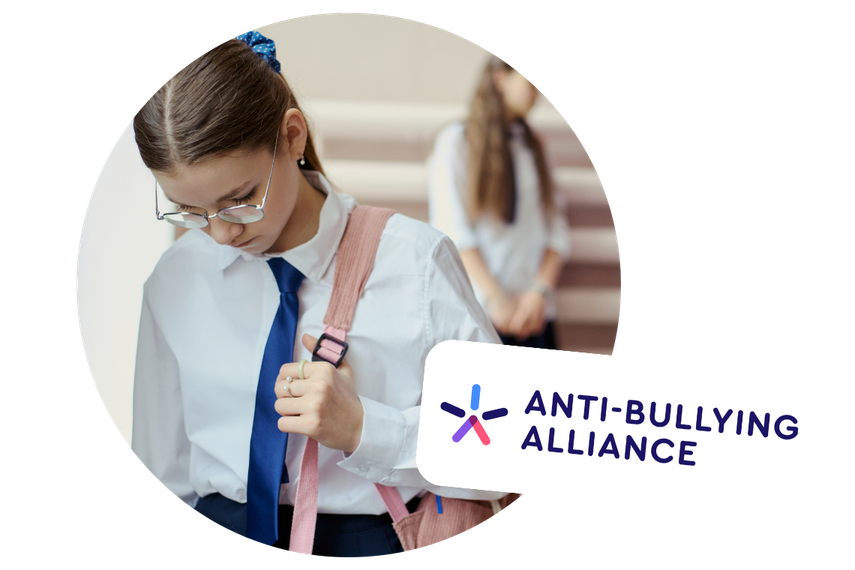
Anti-Bullying Week 2026 takes place from 16-20 November, with the theme Break the Silence. The campaign encourages schools to create safe environments where children feel heard, supported and able to speak up about their experiences.
This Anti-Bullying Week, download Thrive's free reflection guide and explore five essential questions every school should ask to better understand, identify and respond to bullying.
Download your free Anti-Bullying Reflection Guide to:
- Reflect on the effectiveness of your school's current anti-bullying approach
- Uncover practical opportunities to strengthen policy, practice and culture
- Better understand how bullying may be experienced across your school community
- Identify priorities that support safer, more inclusive learning environments
1 in 5 secondary pupils report experiences of bullying
Why Bullying Prevention in School Matters
Many schools have strong anti-bullying policies. But children experience a school's approach through everyday interactions, relationships and routines. Creating a culture where pupils feel safe, respected and included requires more than policy alone. It requires consistent practice, trusted relationships and a shared commitment to belonging.
Safety
Children need to know that adults will act when harm occurs and that their wellbeing comes first.
Belonging
When pupils feel included, accepted and connected, they're more likely to thrive and less likely to experience isolation.
Clear boundaries
Shared expectations help create fairness, consistency and accountability across the whole school community.
Support for change
Children need opportunities to learn, grow and repair relationships when things go wrong.

Anti-Bullying Week FAQs
Anti-Bullying Week is an annual UK-wide awareness campaign coordinated by the Anti-Bullying Alliance. The week encourages schools, families and organisations to take action against bullying and promote kindness, inclusion and respect
Anti-Bullying Week 2026 takes place from Monday 16 November to Friday 20 November 2026. The week begins with Odd Socks Day on Monday 16 November, celebrating individuality and what makes us all unique.
Thrive's free Anti-Bullying Reflection Guide helps schools reflect on their approach to preventing and responding to bullying. Through five key questions, the guide encourages professional discussion around school culture, belonging, pupil voice and creating environments where every child feels safe, understood and able to thrive.