

This year's Anti-Bullying Week focuses on breaking the silence, encouraging children, young people and adults to speak up about bullying they experience, witness or are concerned about.
At Thrive, we're proud to be a member of the Anti-Bullying Alliance, and we're committed to supporting schools and settings to create environments where every child feels safe, valued and able to thrive. This commitment extends beyond our own work. Our Head of Theory and Practice, Viv Trask-Hall, recently joined the Department for Education's Anti-bullying and Behaviour Toolkit Expert Panel, contributing her expertise to national discussions around effective approaches to behaviour and bullying prevention.
While Anti-Bullying Week provides an important opportunity to raise awareness, preventing bullying requires a commitment that lasts all year round. Whether that's reviewing your current approach using our free Anti-Bullying Reflection Guide, developing staff knowledge through our preventing bullying through awareness and action course, or simply making more time to check in with the children and young people around you, there are many ways to make a difference.
So, as we mark Anti-Bullying Week, we're exploring why a proactive, relationship-centred approach matters and how schools and settings can help every child feel heard, supported and included.
Why belonging matters in preventing bullying
Every child deserves to feel safe, seen and supported within their school community.
When children and young people experience positive relationships and a strong sense of belonging, they are more likely to engage in learning, develop empathy and build healthy connections with others. They're also more likely to seek support when they need it and contribute positively to the communities around them.
By contrast, feelings of exclusion, isolation or not fitting in can have a significant impact on a child's emotional wellbeing and sense of self.
Human beings are wired for connection. When we feel emotionally safe and supported, we’re better able to regulate our emotions, engage with learning and build positive relationships. Experiences of bullying, exclusion or rejection can undermine this sense of safety, affecting confidence, relationships and the ability to feel secure.
This is why anti-bullying work cannot be limited to responding to incidents when they occur. Lasting change comes from creating a culture where all children and young people feel included, respected and valued every day.
Breaking the silence: Helping children and young people feel safe to speak up
This year's campaign highlights something particularly important: children and young people need to feel able to talk about bullying.
Speaking up isn't always easy. Some may worry about making things worse, being judged or not being believed. Others may struggle to recognise or explain what they're experiencing.
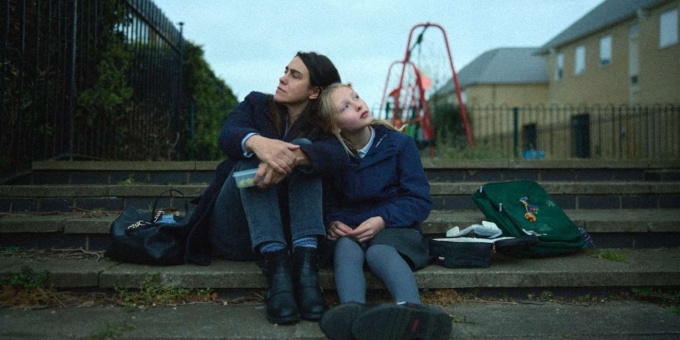
This is where trusted relationships and emotionally safe environments become so important. When children and young people know that adults will listen, take their concerns seriously and respond with care, they're more likely to seek support when they need it.
Breaking the silence isn't just about encouraging them to speak up. It's about making sure the adults and environments around them are ready to listen and respond.
Creating a culture of belonging
Preventing bullying starts long before harmful behaviour occurs. It begins with creating environments where positive relationships are prioritised and emotional needs are understood.
A culture of belonging helps children and young people recognise and celebrate differences rather than fear them. It also means equipping staff with the knowledge and confidence to understand behaviour, recognise when a child or young person may be struggling and respond effectively.
This doesn't mean bullying behaviours won't occur. However, schools with strong relationships, clear expectations and a culture of emotional safety are better equipped to recognise concerns and address them.
Reflecting on your approach
Anti-Bullying Week is an ideal opportunity for schools and settings to consider how effectively they are fostering inclusion, emotional safety and positive relationships.
To support these conversations, we've created a free Anti-Bullying Reflection Guide. Designed for school leaders and staff teams, the guide provides practical prompts to help evaluate your current approach and identify opportunities to strengthen your culture of belonging.
For those looking to deepen their understanding, our Preventing Bullying through awareness and action course explores the relationship between emotional wellbeing, behaviour and bullying, equipping staff with practical strategies to create environments where every child feels safe and supported.
Every child deserves to feel safe, heard and valued
Anti-Bullying Week provides an important opportunity to start conversations, challenge behaviours and reflect on how we support children and young people.
But the greatest impact comes from what happens beyond the week itself. It's in the everyday interactions, the relationships we nurture, the conversations we make time for and the environments we create.
This Anti-Bullying Week, let's commit to breaking the silence, listening effectively and building communities where every child and young person feels they belong.
_680.jpg)
_680.png)