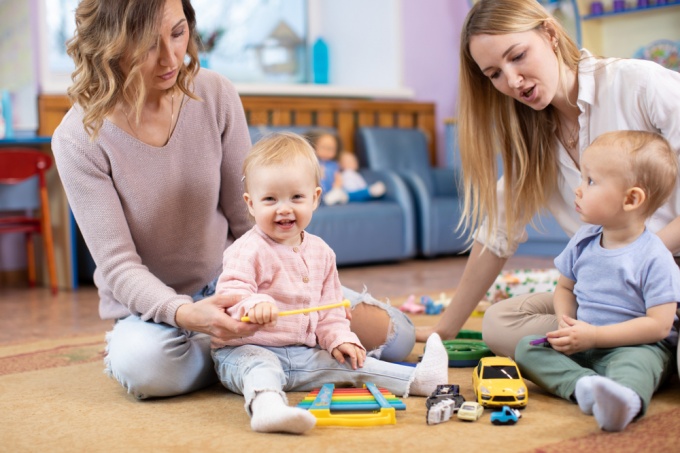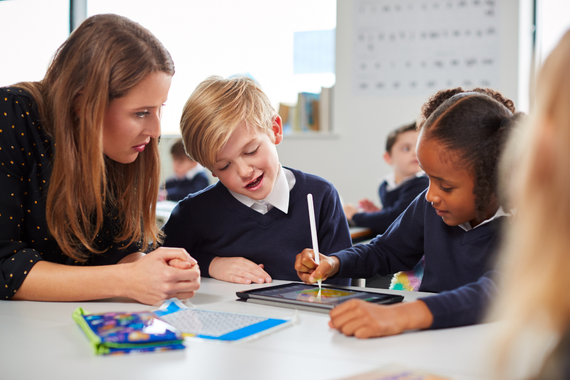
From fine motor activities to creative classroom ideas, the Thrive Pinterest page has plenty of boards to help you to further develop your setting. One of our most popular boards features ideas for sensory play activities suitable for a mixture of ages and levels of development.
Sensory activities allow children to explore their different senses: touch, smell, taste, movement, balance, sight and hearing. From birth, children are consistently investigating with their senses, from touching everything around them to making noises with their mouths. Through an appropriate blend of these activities (sensory bottles, bins, bags, etc), children are afforded the potential to develop an understanding of what is positive for the brain and safe to interact with. They are able to generate a sense of trust with the objects they are interacting with and adopt a deeper understanding of the world within which they exist.
Sensory bottles
A particular item that many of our Practitioners find helpful are sensory bottles. As well as mesmerising children, these bottles can facilitate calming breathing and, in turn, help them to regulate their emotions. More complex bottles can also encourage further development of language, fine motor, social, science and maths skills.
We've compiled a list of our top 5 sensory bottles that we've found on Pinterest. Nurturing different skills with each, why not pick the one most suited to the child or group of children that you're interacting with. Remember to always supervise children when making your bottles, there are plenty of ingredients and small parts involved in their construction.
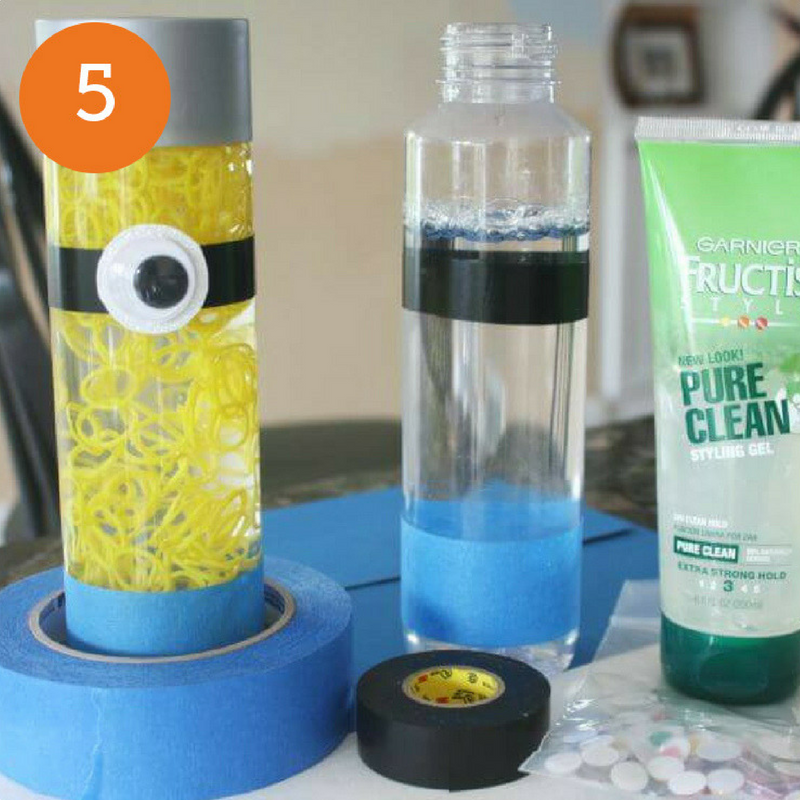
The Minion loom bands bottle
We think this bottle is adorable! Using loom bands, hair gel and water, the Minion sensory bottle is cheap to make and familiar for children to interact with.
The mini aquarium bottle
Perfect for capturing the imagination, expand children's vocabulary with this under water sensory treat. You can shake this one up and create waves for the animals to dart around in.
To create the perfect ocean bottle, click here.
The loom band gamer bottle
Why not make sensory play a little more challenging? With this loom band bottle, you can create a game for children to navigate. See how many bands children can hook onto the peg using their fine motor skills.
Click here to find out how to get started.
The musical rainstick bottle
Explore sound with this brilliant auditory and visual sensory bottle. Using rice grains and sticks, a perfect pitter patter of rain is simulated.
To get experimental with sound in your sensory play, click here.
The Inside Out emotions bottle
Disney's Inside Out has proven to be a great resource for supporting adults to identify and discuss emotions with children, which is why we've chosen the Inside Out emotions bottle as our favourite.
Each bottle represents a different emotion: sadness, fear, joy, disgust and anger. The bottles work as individual sensory explorative and regulating tools, as well as a set to engage in discussions about the five key emotions represented by Disney. Click here to find out how to make the bottles.
We're always really eager to see how you've been getting creative in your settings. Let us know if you've been crafting sensory bottles, including the ones above! Send us a message on Facebook, Twitter, or Instagram and we'll share them to inspire others.
Over to you
Reduced anxiety and behavioural incidents. Calmer classrooms filled with engaged leaners. Improved relationships with parents and carers. These are just some of the outcomes reported by settings embedding Thrive’s whole-school approach to mental health and wellbeing. Are you ready to join them? Click here to get started.
Pass it on
Small actions can lead to a big ripple effect. If you enjoyed this post or found it helpful, please consider supporting us in our mission to help every child and young person feel safe, supported and ready to learn by sharing it using the social media buttons below.
Want to join a like-minded community of senior leaders and classroom staff benefitting from insights and strategies to improve attendance, behaviour and attainment? Add your email address below. (It’s easy to unsubscribe).